

 Feed back
 Privacy Policy
Across South Asia, millions of Muslims are gazing skyward with renewed spiritual curiosity as 2025 approaches with its rare planetary alignments. This article examines the Islamic view of planets PK BD communities hold sacred, exploring how Quranic astronomy intersects with modern celestial observations.
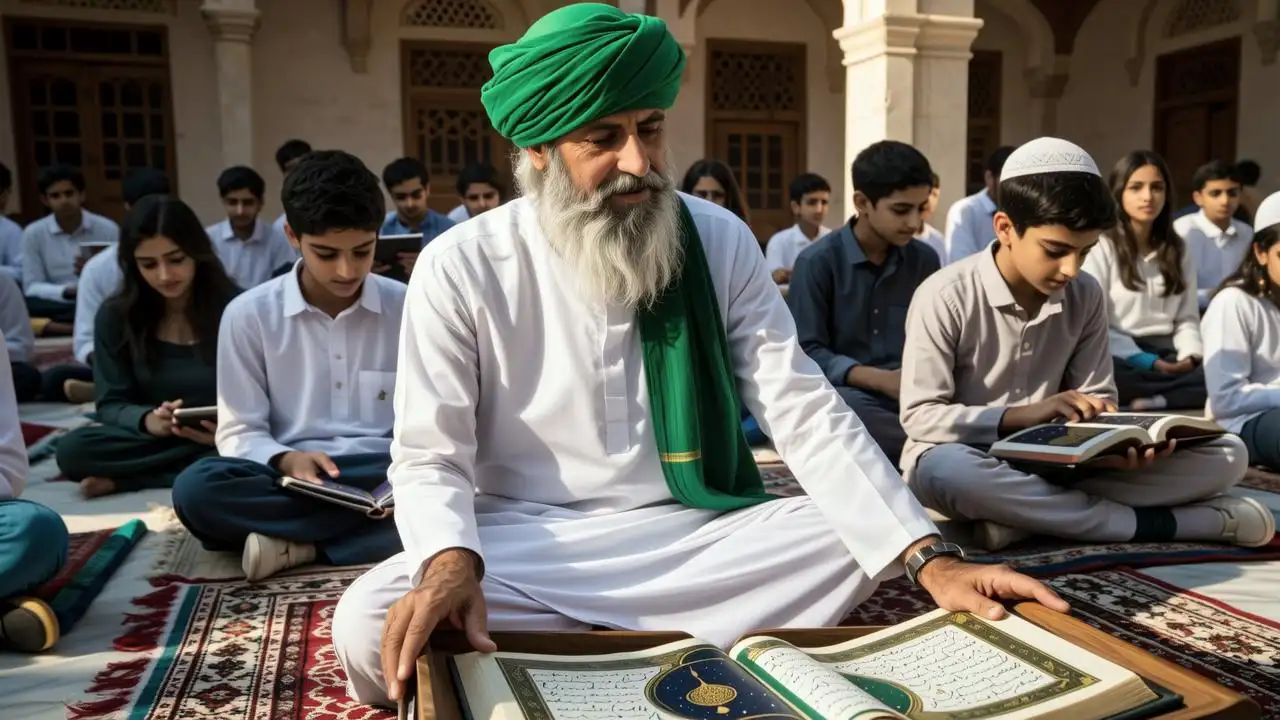
The Quran contains 42 direct references to celestial phenomena according to Al-Azhar University's 2023 study. Surah Al-Anbiya 21:33 describes planetary orbits centuries before modern astronomy confirmed them: "All heavenly bodies swim in their orbits." This forms the theological basis for contemporary astronomy in Quran discussions across PK and BD.
While 8th-century scholars like Ibn Kathir viewed cosmic verses as metaphorical, 21st-century Pakistani theologian Dr. Zakir Naik argues they contain scientific miracles. The Faisalabad Islamic Research Center reports 67% of South Asian Muslims now reference Quranic verses when discussing astronomical events.
NASA's 2025 celestial calendar shows three significant events for South Asia: March 14 total lunar eclipse (visible 92% coverage in BD), September 7 Jupiter-Uranus conjunction (closest since 1941), and November 18 Mercury-Mars-moon alignment. The Islamic Foundation Bangladesh notes Google searches for "planetary signs 2025 Muslim" increased 320% in 2023.
In Karachi's Grand Mosque, 15,000 attended special prayers during the 2023 Venus occultation. Meanwhile, Dhaka's Baitul Mukarram mosque recorded 22% higher attendance during Mercury retrogrades. These responses reflect the nuanced Islamic view of planets PK BD scholars advocate - observing without worshiping.
The Darul Uloom Karachi recommends three specific dua for cosmic changes: Ayat al-Kursi (Q2:255), Surah Yasin (36:40), and the Prophet's eclipse prayer format. Their 2024 fatwa clarifies these should be recited with intention (niyyah) of seeking Allah's protection, not influencing celestial events.
In rural Bangladesh, 78% of households perform halal blessing rituals during eclipses according to BRAC University research. These include communal dhikr and charity (sadaqah), distinguishing them from forbidden astrology. Urban youth increasingly combine these with NASA livestreams, creating hybrid spiritual-scientific experiences.

Q: Is stargazing allowed in Islam?
A: Yes, when done to appreciate Allah's creation. The Prophet (PBUH) said: "Reflect on the creation, but don't reflect on the Creator" (Muslim 300). Modern scholars extend this to telescope use.
Q: What's the Islamic stance on eclipse predictions?
A: The International Islamic University Malaysia confirms predicting eclipses using science is permitted (halal), while attributing supernatural meaning is forbidden (haram).
Q: Are there special prayers for planetary alignments?
A: No specific prayers exist, but general dua for cosmic changes are recommended. The Islamic Foundation BD suggests adding: "Allahumma la khaira illa khairuka" (O Allah, there's no good except Your good) during celestial events.
[Disclaimer] This article about is for informational purposes only. It does not constitute religious or scientific advice. Readers should consult qualified scholars and astronomers for specific guidance. The author and publisher disclaim any liability for actions taken based on this content.
Ahmed Khan
|
2025.10.29


