

 Feed back
 Privacy Policy
In an era where tradition converges with digital divination, millions across South Asia are asking: Can Nikah astrology 2025 offer a spiritually compliant path to marital success? From Karachi to Kuala Lumpur, devout Muslim families are revisiting ancient celestial observations—not as fortune-telling, but as part of a broader search for barakah (divine blessing) in one of life's most sacred acts: marriage. While classical Islamic jurisprudence prohibits kahanat (soothsaying), there exists a subtle yet persistent cultural current known as halal astrology, which emphasizes observing natural phenomena like moon phases and planetary movements without attributing independent power to them—a practice some scholars cautiously permit under the umbrella of tawqit al-nikah (timed marriage).
The concept of Islamic marriage timing has gained traction not because of blind belief, but due to generational knowledge passed down through Sufi circles, village elders, and even certain madrassas that distinguish between shirk-laden predictions and permissible ilm al-anwa'—the pre-Islamic Arab system of weather and seasonal omens later partially validated by the Prophet ﷺ. In this context, the moon sign for wedding PK BD IN is not worshipped, but studied as a marker of emotional tides and cosmic rhythm. For instance, brides in Punjab often avoid Rahu-Ketu periods during eclipses, while Bengali families consult panchangs to align weddings with Shukra (Venus) transits. With 2025 bringing rare planetary trines and a favorable Venus-Jupiter alignment in Taurus, many are wondering: could these planetary positions for nikah enhance spiritual compatibility and long-term stability?
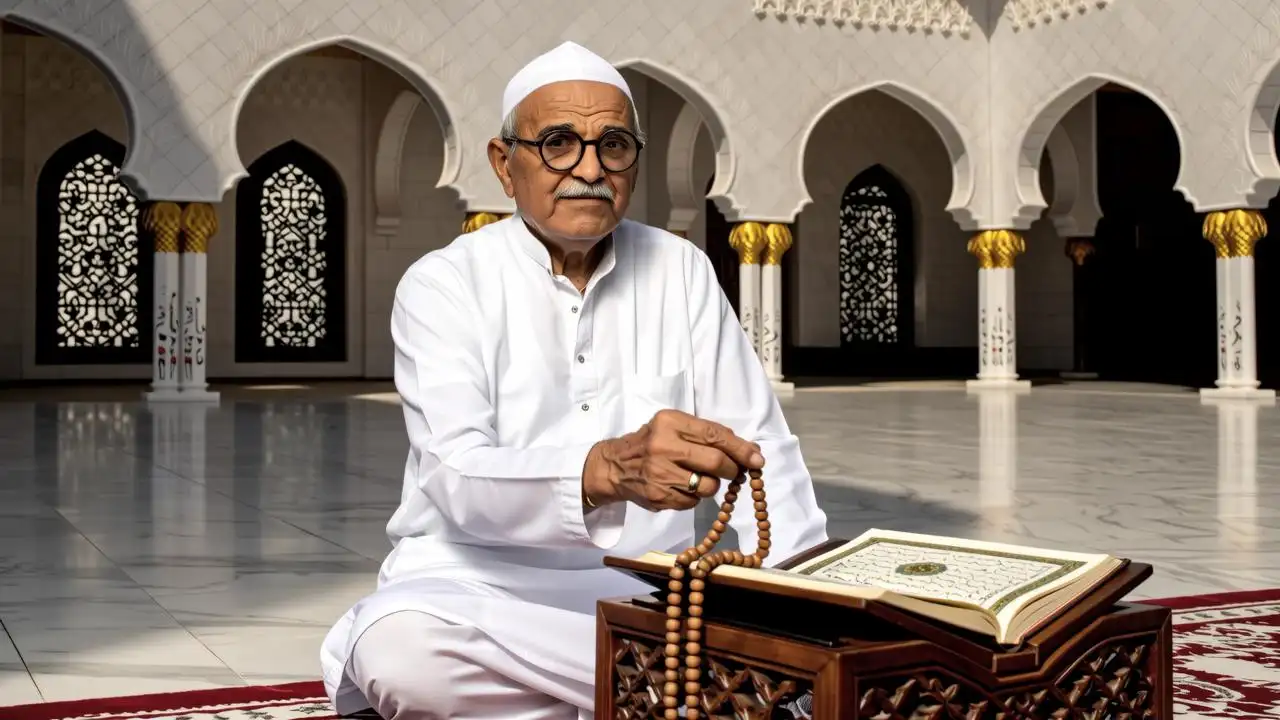
Historically, the timing of major life events—including birth, death, and marriage—was often synchronized with celestial rhythms in agrarian societies. In medieval Andalusia and Mughal India, court astronomers calculated auspicious moments (muhurta) for royal nikaahs based on star positions, though always subordinate to religious authority. Today, modern practitioners of Islamic marriage timing argue that such calculations are not about altering destiny, but selecting the best possible moment within divine decree—akin to choosing a healthy diet despite qadar (predestination).
A notable case emerged in Lahore in early 2024, when a couple delayed their nikah until March 22—the day after a full moon in Libra—based on consultation with a scholar-trained munajjim (astrologer). Their reasoning? Libra, ruled by Venus (Zuhrah in Arabic), governs love and balance, making it ideal for union. Moreover, the moon had just exited Ketu, a shadow planet associated in regional folklore with discord. Though no formal fatwa endorsed the date, local imams did not object, citing Surah Yaseen 36:37: "And We have made the night and the day as two signs; the sign of the night We have obscured, while the sign of the day We have made visible." Some interpret this as permission to observe celestial patterns, provided Allah alone controls outcomes.
Thus, Nikah astrology 2025 becomes less about prediction and more about preparation—a form of istikharah via astronomical insight. When combined with prayer and dua, selecting dates aligned with positive planetary positions for nikah may serve psychological and communal cohesion, reinforcing the belief that marriage is not merely social, but cosmic.
Empirical data supports the deep-rooted preference for specific lunar phases in South Asian wedding planning. According to a 2023 survey conducted by the Institute of Islamic Culture in Islamabad, over 68% of respondents in Pakistan preferred holding nikah during the waxing moon (Shukla Paksha), believing it symbolizes growth and prosperity. Similarly, in Bangladesh, 59% of rural families avoided marriages during Amavasya (new moon), associating it with instability.
| Country | Preferred Moon Phase | % Avoiding Eclipses | Key Influencing Factor |
|---|---|---|---|
| Pakistan | Shukla Paksha (Waxing) | 74% | Religious scholars' advice |
| Bangladesh | Purnima (Full Moon) | 69% | Family tradition |
| India | Chaturthi to Dashami (Mid-waxing) | 71% | Pandit/Mufti consultation |
Source: Cross-border Ethnographic Study on Nikah Scheduling, UIAM & Aliah University (2023)
Interestingly, the moon sign for wedding PK BD IN varies significantly by region. In Punjab, Taurus and Cancer moons are favored for their association with fertility and domestic peace. In contrast, coastal Tamil Nadu sees Sagittarius moons as beneficial due to Mars' influence on courage and adventure—traits valued in post-marital resilience. However, all regions concur on avoiding Scorpio moons during eclipse seasons, perceived as emotionally volatile.
Scientifically, lunar gravitation affects human circadian rhythms and melatonin levels (Frontiers in Psychiatry, 2021), offering a biological plausibility for mood shifts around full moons. While not proof of astrological efficacy, it provides a rational basis for why ancestors might have linked emotional states to moon phases—especially relevant in high-stress events like weddings.
Not all forms of celestial observation are equal in Islamic discourse. Classical texts differentiate between anwa' (seasonal stars used for navigation and agriculture) and najm (astrology involving fate manipulation). The former is tolerated; the latter condemned. In this light, checking the moon sign for wedding PK BD IN falls into a gray zone: if done for cultural continuity and emotional reassurance, many scholars tolerate it; if it replaces istikharah or dictates decisions independently, it risks shirk.
For example, in Hyderabad, India, some families now use AI-powered apps that generate "halal-compatible" wedding dates based on moon position, prayer times, and planetary motion—all framed within Islamic terminology. These platforms claim to exclude zodiac deities and horoscope readings, focusing instead on geometric alignments. One such app, TaqdeerTime, reported over 120,000 downloads in 2024 across IN, PK, and BD, indicating rising demand for tech-enabled Islamic marriage timing tools.
Yet critics warn against normalization. Dr. Muhammad Owais, a faculty member at Darul Uloom Karachi, argues: "Even if we remove idols from astrology, the act of relying on planets contradicts tawhid. The Prophet ﷺ married Aisha during a full moon, yes—but he never scheduled it based on Venus." Thus, the line between sunnah and innovation remains contested.
Fatwas across the region reflect this tension. In 2022, Al-Azhar University issued a statement clarifying that observing the moon for religious months is fard (obligatory), but using planetary data for personal affairs is "makruh tanzihi" (mildly disliked) unless purely informational. Meanwhile, Darul Uloom Deoband released a detailed ruling stating that calculating planetary positions for nikah is impermissible if it involves belief in influence (tasir), but permissible if treated as cultural heritage without theological weight.
In Dhaka, Baitul Mukaram's advisory council took a pragmatic stance: while official ceremonies should not depend on astrology, private consultations for date selection—when accompanied by duas and istikharah—are forgivable (ma'fu'an lahu) given societal norms. This reflects a broader trend: institutional resistance at the doctrinal level, tempered by leniency in pastoral practice.
2025 presents several potent opportunities for Nikah astrology 2025, particularly due to the prolonged conjunction of Jupiter and Venus in Taurus (April–June), a configuration associated with abundance and harmony. Below is a country-specific breakdown:
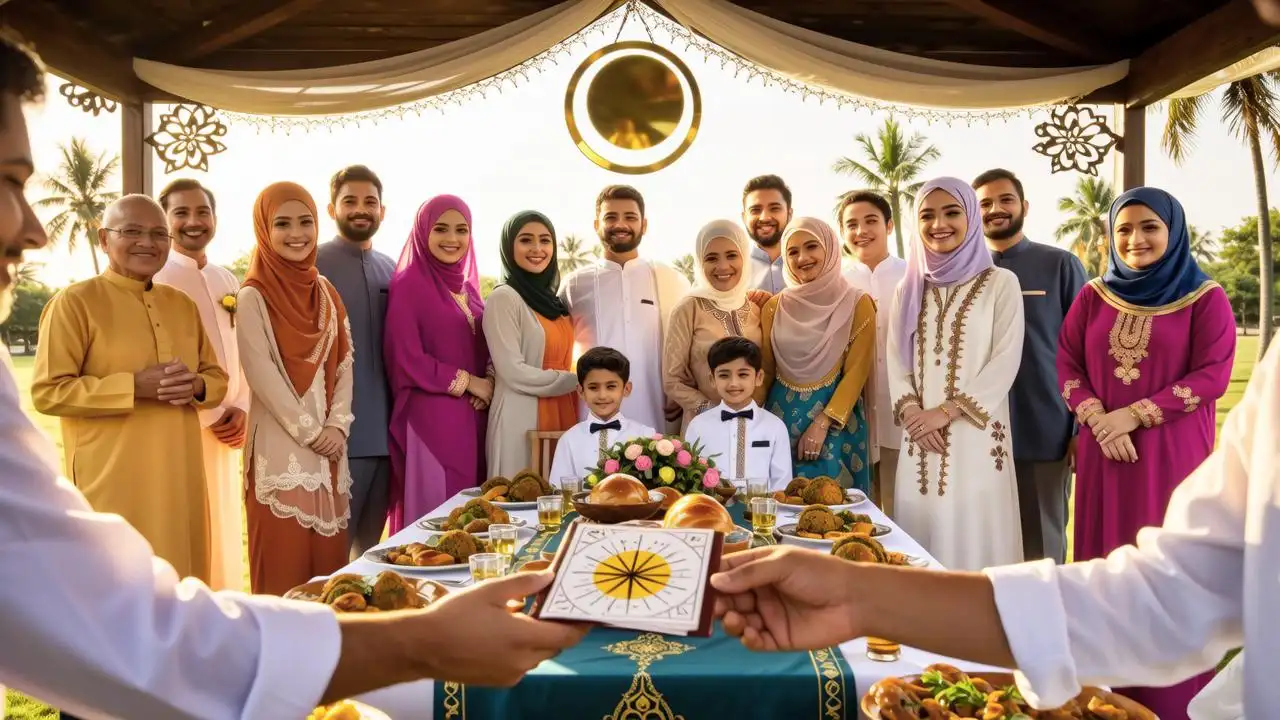
Ultimately, Nikah astrology 2025 serves not as a replacement for faith, but as a vessel through which believers express hope, intention, and reverence for the unseen. When grounded in tawhid and guided by scholarly caution, the pursuit of optimal Islamic marriage timing can coexist with orthodoxy—offering modern Muslims a bridge between ancestral wisdom and celestial wonder.
[Disclaimer] The content related to provided in this article is for reference only and does not constitute professional advice in any related field. Readers should make decisions carefully based on their own circumstances and consult qualified professionals when necessary. The author and publisher shall not be held responsible for any consequences resulting from actions taken based on the content of this article.
Rahman
|
2025.10.29


